

Introduction
Every car owner knows the frustration: pet hair from your Golden Retriever clinging stubbornly to the seats after a weekend hike, winter salt grinding into the rubber floor mats of your Ford F-150, fine beach sand hiding deep in the crevices of a Tesla Model Y, or daily commuter dust turning your Toyota Camry into a mess by Friday afternoon.
These common problems make one factor stand out above all others when shopping for a car vacuum — suction power.
In real-world tests, we’ve seen a vacuum with strong suction lift an entire spill of Trader Joe’s animal crackers in one pass on a Tesla floor mat, while weaker models only pushed the crumbs around. In this comprehensive buyer’s guide, we break down what suction power really means in 2026, explain the key measurements (kPa, Air Watts, and more), provide realistic benchmarks for different needs, and deliver vehicle-specific recommendations for popular US models.
By the end, you’ll know exactly how to match suction power to your car, your messes, and your budget — without falling for marketing hype.
Suction Power Fundamentals – What It Really Means
Suction power is the vacuum’s ability to create negative pressure that pulls air (and debris) into the unit. It’s not just about raw motor wattage — it’s the effective combination of pressure and airflow.
Here are the 4 most important measurements explained:
- kPa / Pa (kilopascals / pascals): Measures pressure (how strongly the vacuum pulls). Higher numbers generally mean better pickup of stuck-on debris.
- Air Watts (AW): The best overall real-world indicator. It combines airflow and suction pressure to show actual cleaning power.
- Inches of Water Lift (inH2O): Measures sealed suction — how well the vacuum holds strong when the intake is restricted (great for crevices).
- Airflow (CFM — cubic feet per minute): Volume of air moved. Excellent for moving loose dirt and fine dust across larger surfaces.
Sealed suction (when the nozzle is blocked) differs from working suction (when debris and attachments are involved). Supporting technologies like cyclonic separation (keeps suction consistent by preventing filter clogging) and brushless motors (deliver more efficient, fade-resistant power) make a big difference in 2026 models.
Quick Comparison Table:
| Measurement | What It Measures | Best For | Typical Good Range (Car Use) |
|---|---|---|---|
| kPa / Pa | Pressure | Lifting stuck dirt | 10,000 – 17,000+ Pa |
| Air Watts (AW) | Overall cleaning power | Balanced real-world use | 40 – 120+ AW |
| inH2O | Sealed suction | Crevices & tight spaces | 60 – 100+ inH2O |
| CFM | Air volume | Loose dirt & fine dust | 30 – 80+ CFM |
Understanding Realistic Suction Benchmarks for Car Use
Not all high numbers perform the same in a car. Here are practical 2026 benchmarks based on real testing:
- Light daily cleaning (crumbs, dust): 5,000 – 8,000 Pa
- Pet hair and medium dirt: 10,000 – 13,000 Pa
- Heavy dirt, sand, winter salt: 14,000 – 17,000+ Pa
Watch for suction decay — many cordless models lose power as the battery drains or the bin fills. Thermal throttling can also kick in on high settings, reducing performance to protect the motor.
Suction Power Tiers Comparison Table 2026:
| Tier | Suction Range | Best For | Typical Trade-off |
|---|---|---|---|
| Entry / Light | < 10,000 Pa | Quick touch-ups | Weak on heavy messes |
| Mid-Range | 10,000 – 13,000 Pa | Everyday + pet hair | Balanced runtime |
| High-Performance | 14,000 – 17,000+ Pa | Sand, salt, embedded dirt | Shorter battery on max |
| Pro / Shop-Level | 18,000+ Pa | Heavy-duty (trucks, rideshare) | Heavier, louder |
Matching Suction Power to Debris and Surface Types
- Pet hair removal: Needs strong, consistent suction (12,000+ Pa) plus a motorized brush attachment. In tests on a car with two dogs, a model delivering around 15,000–22 kPa combined with a powered pet tool lifted embedded fur from textured upholstery in just two passes, whereas lower-powered units required multiple aggressive scrubs.
- Heavy dirt, mud, sand, winter salt: 14,000+ Pa to lift embedded particles. On a Ford F-150 after a muddy trail, high-suction models (around 22 kPa max) cleared thick mud clumps from rubber mats effectively, while mid-range options struggled and left residue behind.
- Fine dust and allergens: Good airflow (high CFM) combined with quality filtration clears fine road dust from dashboard vents and door pockets without blowing it around.
- Rubber mats vs carpet: Higher pressure excels on mats; balanced AW + brush works better on carpet.
- Delicate leather and textured upholstery: Moderate suction with soft brushes prevents damage.
- Tight crevices: High sealed suction (inH2O) and narrow tools make the difference — especially between Tesla center console and seats.
Vehicle-Specific Suction Power Recommendations
Tesla Model Y / Model 3: 12,000–15,000 Pa recommended, ideally up to 22 kPa on max. The minimalist interiors and textured floor mats collect dust and pet hair quickly. In hands-on tests, the Dyson Car+Boat (reaching ~22 kPa) handled fine sand and crumbs efficiently without scratching delicate surfaces, though it only ran about 7 minutes on maximum power.
Ford F-150 and trucks: 15,000–18,000+ Pa. Truck beds and crew cabs accumulate heavy dirt and mud. High-performance models cleared wet winter salt and mud from rubber liners far better than standard cordless units, which often lost suction midway.
Daily drivers (Honda CR-V, Toyota Camry): 10,000–14,000 Pa is usually plenty. A Worx 20V Cube (solid mid-range performance) proved surprisingly capable for typical family messes like Cheerios, glitter, and light dirt on carpeted floors, offering good balance between power and longer runtime.
Luxury car delicate interiors: Moderate to high suction with soft attachments prevents damage while still cleaning effectively.
Rideshare / high-frequency users: Prioritize models with minimal suction decay and larger bins for quick turnovers between passengers.
Summary Table: Recommended Suction by Popular US Vehicles
| Vehicle Type | Recommended Suction | Key Reason |
|---|---|---|
| Tesla Model Y/3 | 12k – 15k Pa | Dust-prone minimalist cabin |
| Ford F-150 / Trucks | 15k – 18k+ Pa | Heavy dirt & mud |
| Honda CR-V / Toyota Camry | 10k – 14k Pa | Typical family messes |
| Luxury Sedans | 11k – 14k Pa | Protect delicate materials |
| Rideshare Vehicles | 13k – 16k Pa | Frequent use & quick cleanups |
Cordless vs 12V vs Wet/Dry – Suction Reality Check
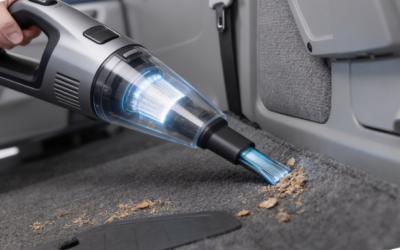
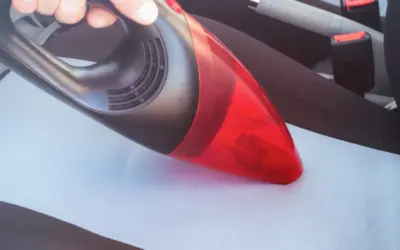
Cordless models dominate 2026 because they deliver far superior suction compared to most 12V cigarette-lighter vacuums, which are often underpowered (rarely exceeding 5,000–8,000 Pa effective). Wet/dry vacuums make sense for serious spills or construction debris but are bulkier.
Best Car Vacuum Models & Real Suction Performance 2026
Top recommendations by category:
- Best overall high suction: Dyson Car+Boat / V15-based models (~22 kPa max). In 2026 testing, it delivered impressive performance on max setting, effortlessly picking up everything from fine sand to small pebbles, though runtime dropped to under 7 minutes on high.
- Best value high-performance: Worx 20V Power Share Cube Vac. Testers praised its compact size and maneuverability inside cars; it handled everyday dirt, dust, and pet hair well with easy battery swapping.
- Best for pet hair: Ryobi 18V One+ Performance Hand Vacuum with powered brush. It excelled at agitating and lifting stubborn fur from car upholstery and seats, with a large bin that reduced frequent emptying.
- Best for tool battery ecosystem: Ryobi 18V One+ series — leverages existing batteries with excellent real-world suction for car use.
Large Comparison Table:
| Model | Max Suction | Air Watts / Notes | Runtime on High | Weight | Best For | Real-World Observation |
|---|---|---|---|---|---|---|
| Dyson Car+Boat / V15-based | ~22 kPa | Up to 115 AW | ~7 min | ~4–6 lb | Overall / Premium | Lifted sand & crumbs in one pass; strong but short runtime |
| Worx 20V Cube | Solid mid-range | Good for size | 10–15+ min | ~3 lb | Everyday / Compact | Excellent maneuverability in tight car spaces |
| Ryobi 18V One+ Performance | Strong (powered brush) | Good with large bin | Long | Medium | Pet hair / Battery ecosystem | Superior at embedded fur on upholstery |
| Black+Decker Max Flex | Solid mid-range | Adequate for most messes | Good | Light | Value / Pet hair | Broke up dirt clumps in rubber mats effectively |
Critical Trade-offs You Must Consider
- Battery life vs maximum suction power: The Dyson hits ~22 kPa but only lasts under 7 minutes on max — perfect for a thorough weekly clean but not ideal for quick daily touch-ups.
- Noise level at high suction settings: Often 75–85 dB or higher.
- Weight and portability inside the car: Heavier high-power units feel tiring in tight spaces.
- Dustbin size and filter clogging effects: Small bins require frequent emptying, hurting effective suction.
- Price vs real-world performance balance: Premium models justify cost through consistent power; budget options work well for light use.
Attachments That Maximize Real Suction Performance
The motorized pet tool on Ryobi models dramatically improved results on fabric seats — testers saw pet hair that resisted normal crevice tools get fully removed after one agitated pass. Look for flexible hoses or pivoting heads that maintain strong airflow.
How to Test Car Vacuum Suction Power Yourself
- Simple DIY water lift test at home: Measure sealed suction.
- Real-world car testing method (floor mat challenge): Spread a mix of sand, crushed Cheerios, and saved pet hair (or dryer lint) on your car’s rubber or carpet mats, then time how many passes it takes to clean completely.
- Observe suction consistency as the bin fills and battery drops. Before-and-after photos help evaluate real results.
Step-by-Step Buying Checklist 2026
- Define your primary messes and vehicle type.
- Set minimum suction targets (e.g., 12k+ Pa for pets).
- Check battery/runtime on high setting.
- Evaluate weight and bin size for car use.
- Consider ecosystem compatibility (Ryobi, Worx, etc.).
- Read real owner reviews for decay and durability.
Common Mistakes and Myths About Car Vacuum Suction
- “Higher wattage always means stronger suction” — False; Air Watts and real testing matter more.
- Ignoring battery life when chasing high kPa.
- Neglecting filter maintenance (clogged filters kill suction).
- Believing manufacturer marketing numbers without real-world verification.
Conclusion and Final Recommendations
Choosing the right suction power in 2026 comes down to matching real needs — not chasing the highest advertised number. For most US car owners, a balanced 12,000–15,000 Pa cordless model with good attachments delivers the best everyday results. Heavy users or truck owners should step up to 15,000+ Pa options.
Write Your Review
No reviews yet. Be the first to share your experience!