

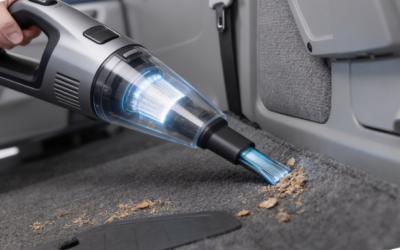
In the daily battle against Goldfish crumbs, dog hair, beach sand, and winter road salt inside your truck or SUV, suction power determines whether cleaning your car feels satisfying or frustrating. With confusing specs like 16,000 Pa, 40 AW, or “ultra-strong motor,” how do you choose the right one for real American driving conditions? This guide cuts through the marketing hype with practical, hands-on advice.
Understanding Suction Power Metrics: Don’t Get Fooled by Numbers
Manufacturers love big numbers, but not all metrics perform equally well in a vehicle.
- Pascals (Pa/kPa): Measures vacuum pressure (pulling force). Great for marketing but ignores real airflow.
- Air Watts (AW): The most reliable real-world metric — combines suction strength and airflow. 15–40 AW handles most car messes effectively.
- CFM (Cubic Feet per Minute): Airflow volume — essential for moving debris through hoses and preventing clogs.
- Inches of Water Lift: Excellent indicator of sealed suction, especially useful for dense debris like wet sand or mud.
Key takeaway: A high-kPa vacuum with low CFM may struggle with pet hair or larger crumbs, while a well-balanced AW model cleans faster and more thoroughly inside car interiors.
How Much Suction Power Do You Actually Need?
Match the power to your vehicle and lifestyle:
- Light duty (daily crumbs and dust in sedans): 10–20 AW / 5–12 kPa — sufficient for quick touch-ups.
- Typical family/US driver (kids, pets, SUVs and crossovers): 20–35 AW — lifts embedded sand, pet hair, and snacks in one or two passes.
- Heavy duty (off-road trucks, frequent deep cleans, beach or mud): 40+ AW or a full-size shop vac.
Pro tip: More power isn’t always better. Excessive suction can make the nozzle stick to upholstery or drain the battery faster.
Key Factors Beyond Suction for US Car Owners
Strong suction alone doesn’t make a great car vacuum. Consider these important real-world factors:
- Vehicle Type & American Driving Conditions: Trucks and large SUVs need sustained high suction for heavy rubber mats. Sedans benefit from lighter, more maneuverable models.
- Battery Runtime vs Corded Power: Cordless vacuums excel for quick parking-lot cleanups; corded shop vacs deliver unlimited power for serious garage detailing.
- Attachments & Agitation: Motorized brushes dramatically improve pet hair removal from cloth seats.
- Weight, Noise & Ergonomics: Models under 4 lbs and quieter than 85 dB make detailing sessions far more enjoyable.
- Value in the 2026 Market: Expect to pay $60–$180 for strong performers. Factor in replacement batteries and HEPA filters, especially for families with allergies.
Top Recommendations for Balanced Suction in 2026
Best Overall Balanced Performance: Ryobi 18V One+ Performance Hand Vacuum — delivers strong, sustained suction with excellent runtime for most American vehicles.
Best for Pet Hair & Upholstery: Models with motorized brushes (Black+Decker Pet series or Bissell equivalents) — powerful suction combined with mechanical agitation.
Best Budget High-Suction: Fanttik V10 Apex or similar models — impressive real-world pickup power under $100.
Heavy-Duty Pick: Worx 20V Cube Vac or Ridgid/Craftsman shop vacs — maximum power when you need it most.
Buying Guide 2026
What suction level matches my typical messes — light crumbs or heavy pet hair and sand? Aim for at least 20 AW sustained if you have kids, pets, or regularly deal with sand and mud. Check independent tests that measure actual grams of debris picked up for the best guidance.
Does the vacuum maintain suction as the bin fills? Look for strong cyclonic separation and washable HEPA filters. Quality models hold 80–90% of their performance even when the bin is half full.
Is high suction worth the extra weight and noise? Only if your messes truly demand it. In tight car spaces, a balanced lightweight 20–30 AW model often outperforms heavier high-kPa units thanks to better control and maneuverability.
How do I verify real suction claims before buying? Trust independent lab and real-world tests (grams picked up, CFM readings) more than manufacturer hype. In 2026, current street prices and promotions make balanced performers the smartest long-term investment for most US drivers.
FAQ
Are cheap 12V cigarette-lighter car vacuums worth buying? Generally no — they lack meaningful suction for anything beyond light surface dust.
Cordless or corded for trucks and SUVs? Cordless for daily convenience and portability; corded shop vacs for maximum power during weekend deep cleans.
Can high suction damage car upholstery? Rarely, especially if the vacuum has adjustable power settings and proper attachments.
Verdict
Choosing the right car vacuum suction power in 2026 comes down to an honest assessment of your vehicle, typical messes, and cleaning habits — not simply chasing the highest kPa number. Prioritize balanced Air Watts, proven real-world performance, and features that match American roads and family life. Choose wisely, and turning your dirty car into a clean one becomes a quick, satisfying win instead of a dreaded chore.




Write Your Review
No reviews yet. Be the first to share your experience!