

Car interiors collect dirt quickly — crumbs ground into the fabric, pet hair embedded deep in the seats, sand, and everyday debris. A thorough vacuum is the essential first step to restore a fresh look. Done correctly, vacuuming alone can make seats appear significantly cleaner and prepares them perfectly for any deeper cleaning. Here’s exactly how to clean car seats with a vacuum for the best results.
Why Proper Vacuuming Matters
Vacuuming removes abrasive particles that can damage fabric over time, prevents stains from setting in, and makes follow-up cleaning much more effective. Skipping this step or rushing through it leaves hidden debris that reduces the effectiveness of any cleaning product.
Tools and Attachments You Need
- Upholstery brush tool — Soft bristles agitate fabric gently without causing damage.
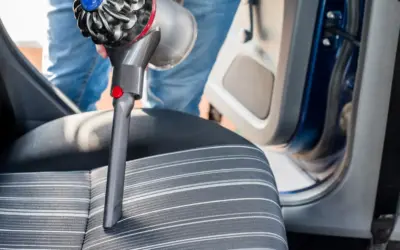
- Crevice tool — Reaches between cushions, around seatbelt buckles, and into tight seams.
- Pet hair / rubber-nubbed tool — Highly effective for removing stubborn pet hair.
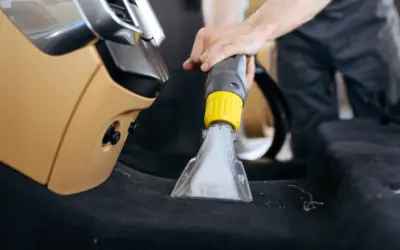
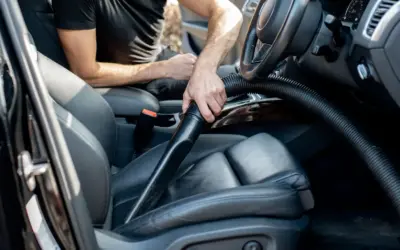
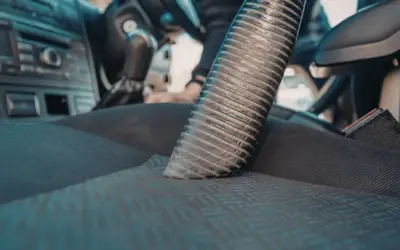
- Extension wand or flexible hose — Improves access under seats and into footwells.
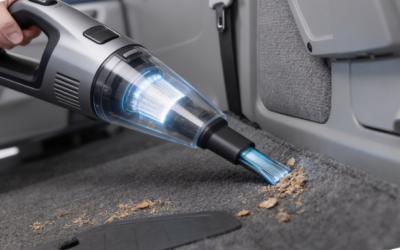
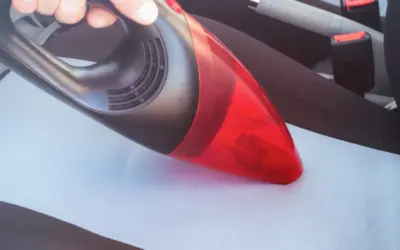
- Strong handheld vacuum — Look for good suction power (20+ AW recommended) and sufficient runtime.
Pro tip: Household stick vacuums without proper car attachments often lack the reach and specialized tools needed for effective interior cleaning.
Step-by-Step: How to Vacuum Car Seats Like a Pro
1. Prepare the Vehicle
- Park in a shaded or covered area.
- Remove floor mats and loose items from the seats.
- Slide seats fully forward and backward to access every area.
2. Work from Top to Bottom
Start at the top of the seatback and move downward. This prevents dirt from falling onto already cleaned sections.
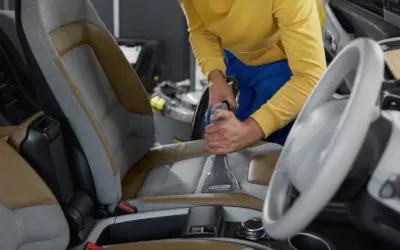
3. Vacuum the Main Surfaces
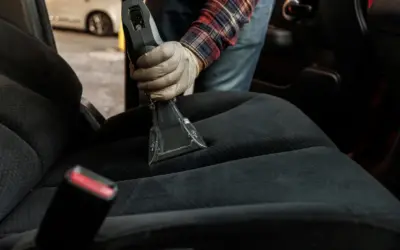
- Attach the upholstery brush tool.
- Use slow, overlapping passes in multiple directions (up/down then side-to-side) to dislodge embedded dirt.
- Apply light pressure to let the bristles agitate the fabric effectively.
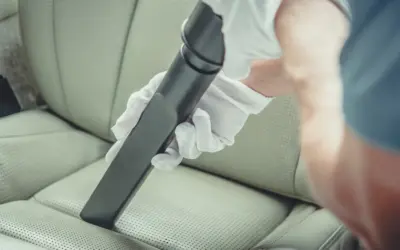
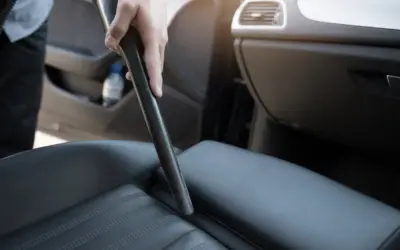
4. Clean Crevices and Seams
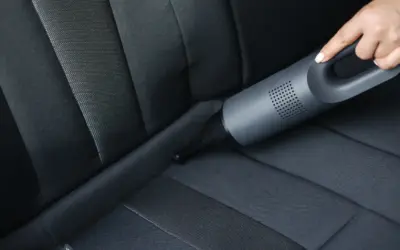
- Switch to the crevice tool.
- Focus on:
- Between seat cushions and bolsters
- Around seatbelt anchors and buckles
- Under seat edges
- Headrest posts and adjustment tracks
5. Handle Special Situations
- Pet hair: Use a rubber-nubbed or motorized brush tool and work slowly section by section.
- Sand and heavy debris: Vacuum thoroughly when dry before using the crevice tool for deep areas.
- Leather / Leatherette seats: Use only a soft brush — avoid stiff bristles that could scratch the surface.
- Cloth seats: More aggressive brushing is safe and helps lift deeply trapped particles.
6. Final Pass and Inspection
- Do one last crevice tool pass under the seats and in hard-to-reach spots.
- Check carefully under good lighting for any missed areas.
Fabric vs Leather Seats – Key Differences
Fabric / Cloth Seats Trap debris more deeply. Use firmer brush action and multiple passes with strong suction for best results.
Leather & Leatherette Seats Require gentler handling. Use a soft brush attachment and focus on seams where dirt tends to collect. Avoid excessive pressure.
Common Mistakes to Avoid
- Vacuuming too quickly — slow, deliberate passes remove far more debris.
- Using the wrong attachment — a flat floor head often pushes dirt around instead of lifting it.
- Forgetting areas under and between seats — this is where most crumbs and sand hide.
- Skipping the crevice tool — leaves a large amount of dirt behind.
- Vacuuming damp or wet seats — can cause clumping and unpleasant odors.
Buying Guide 2026
What vacuum attachments are essential for car seats? An upholstery brush and crevice tool are must-haves. A flexible hose or extension wand greatly improves access to tight spaces.
How often should car seats be vacuumed? Weekly if you have pets or children. A deeper vacuum every 2–4 weeks depending on how dirty the vehicle gets.
Can vacuuming damage the seats? Very unlikely when using the correct attachments and light pressure, especially on leather.
Should I vacuum before or after using cleaning products? Always vacuum thoroughly first. Removing loose dirt makes any wet cleaning far more effective.
FAQ
Is a cordless vacuum powerful enough for car seats? Yes — modern models with 20+ AW deliver excellent results on pet hair, sand, and crumbs.
What’s the best way to remove stubborn pet hair? Combine a rubber pet tool with slow vacuum passes, or use a slightly damp microfiber cloth followed by vacuuming.
Can I use a regular home vacuum for my car? It works for basic cleaning, but dedicated car vacuums with proper attachments are significantly more effective.
Verdict
Mastering how to clean car seats with a vacuum in 2026 is one of the simplest and most effective ways to maintain your vehicle’s interior. With the right technique, tools, and consistent effort, you can remove most everyday dirt and keep seats looking fresh for longer. Make thorough vacuuming a regular habit and your car will stay cleaner and more comfortable on every drive.
Write Your Review
No reviews yet. Be the first to share your experience!