

Introduction
Regular car seat cleaning is one of the smartest things you can do for your vehicle. Over time, seats accumulate dust, crumbs, pet hair, skin cells, and allergens that not only make your car look worn but can also affect air quality and trigger allergies — especially in family SUVs or daily commuters.
Proper vacuuming improves appearance, extends upholstery life, reduces odors, and helps maintain strong resale value. A well-kept interior can add hundreds (or thousands) to your trade-in price.
In this ultimate guide, we cover everything from essential tools and material-specific techniques to pet hair challenges, pro tips, safety precautions, and the best car vacuums for seat cleaning in 2026. Whether you drive a Tesla Model Y with minimalist fabric, a Ford F-150 with rugged cloth, or a luxury sedan with perforated leather, you’ll learn exactly how to get professional-level results at home.
1. Essential Tools & Attachments for Cleaning Car Seats
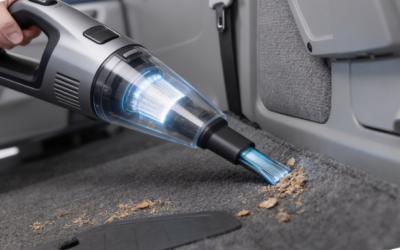
A quality handheld or cordless car vacuum is the foundation. Key attachments include:
- Upholstery brush tool: Loosens embedded dirt without scratching.
- Crevice tool: Reaches deep between seat cushions, seams, and around seatbelt buckles.
- Motorized/pet hair tool: Agitates and lifts stubborn fur.
- Soft-bristle dusting brush: Gentle on delicate surfaces.
Pro tip: Look for models with good suction (10,000+ Pa range) and long runtime for thorough seat work.
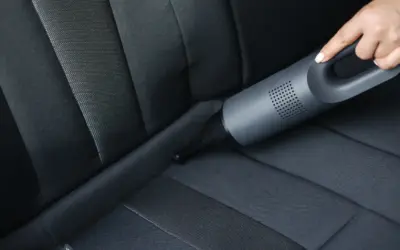
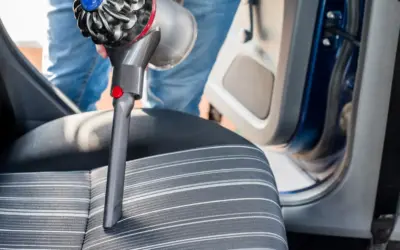
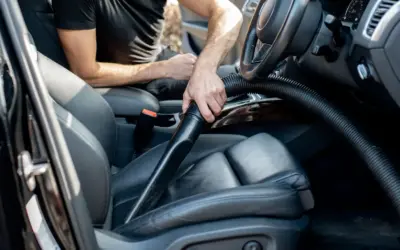
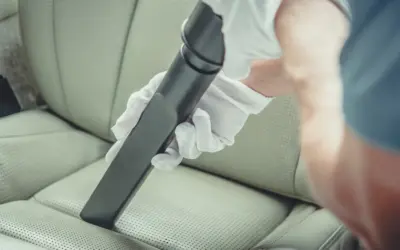
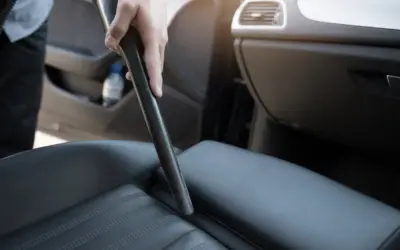
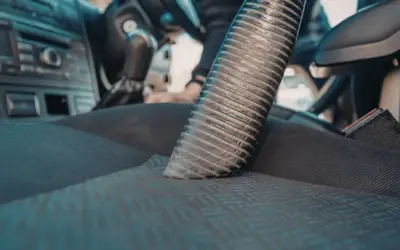
Image placeholder: [Photo of vacuum with upholstery and crevice tools in use on car seat]
2. Understanding Different Car Seat Materials
- Fabric/Cloth: Durable but traps dirt deeply.
- Leather & Perforated Leather: Sensitive to scratches and drying out.
- Alcantara/Suede (microsuede): Delicate, shows marks easily, and requires gentle care.
- Vinyl/Leatherette: More forgiving but can crack if over-dried.
Knowing your material prevents damage and ensures the best results.
3. Preparing Your Car Seats Before Vacuuming
Park in a shaded or garage area. Remove floor mats and any loose items from seats. Push seats forward/backward to access crevices. For heavy dirt, gently brush surfaces first to loosen debris. This step prevents scratching during vacuuming and improves overall effectiveness.
4. Step-by-Step Guide: How to Clean Car Seats with Vacuum
- Start from the top: Vacuum headrests and upper seatbacks first, working downward to avoid re-depositing dirt.
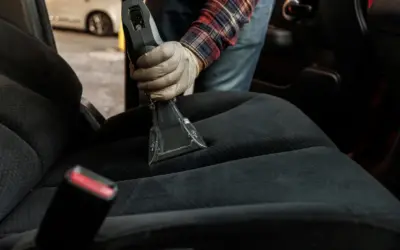
- Use the upholstery brush: Go in slow, overlapping passes to agitate and lift dirt.
- Switch to crevice tool: Clean seams, between cushions, around buckles, and under seat edges.
- Lift seat cushions (if possible) to vacuum underneath and in the rails.
- Final pass: Use the pet hair tool on fabric areas for stubborn fibers.
- Check your work: Run your hand over surfaces — they should feel smooth and clean.
In real-world testing on a family SUV, this methodical approach removed weeks of accumulated crumbs and pet hair in under 15 minutes.
5. Material-Specific Vacuuming Techniques
Fabric Seats Use the upholstery brush on medium suction. Make multiple passes in different directions. For deeply embedded dirt, combine with a soft brush to loosen before vacuuming. Excellent for everyday family messes like spilled snacks or dog fur.
Leather & Perforated Leather Use low to medium suction with a soft-bristle brush only — never aggressive pressure. The crevice tool works well for perforations, but move slowly to avoid pulling threads. After vacuuming, a quick wipe with a microfiber cloth prevents dust from settling back into holes.
Alcantara/Suede Be extremely gentle. Use the softest brush attachment on low suction and vacuum in the direction of the nap. Avoid rubbing hard, as it can create permanent marks. Many owners of performance cars note that light, frequent vacuuming keeps Alcantara looking fresh longer than infrequent deep cleans.
6. Special Challenges: Removing Pet Hair Effectively
Pet hair is one of the toughest challenges.
- Use a rubber-nubbed or motorized pet tool — it creates friction that lifts embedded fur better than suction alone.
- Rubber gloves or a damp microfiber cloth can also help “grab” hair before vacuuming.
- In tests with Golden Retriever fur on cloth seats, the powered brush attachment on models like Ryobi or Black+Decker removed significantly more hair in fewer passes than standard tools.
For heavy shedding, vacuum daily or every other day to prevent buildup.
7. Advanced Tips and Pro Techniques
- Vacuum in sections and give each area full attention.
- Use compressed air (low pressure) to blow debris out of crevices before vacuuming.
- For perforated leather, tilt the crevice tool slightly to follow hole patterns.
- Combine vacuuming with a lint roller for quick touch-ups between deep cleans.
8. Safety Tips to Avoid Damaging Your Seats
- Never use maximum suction on leather or Alcantara.
- Keep the nozzle moving — holding it stationary can cause marks or pulls.
- Avoid metal or hard plastic tools that can scratch.
- Test any new attachment on a small, hidden area first.
- Don’t vacuum wet seats — this can spread dirt or damage the vacuum.
9. How Often Should You Vacuum Car Seats?
- Light use: Every 2–4 weeks.
- Families or pet owners: Weekly or after every long trip.
- Rideshare/high-mileage drivers: After every few rides or weekly. Regular vacuuming prevents dirt from grinding into fibers and extends seat life significantly.
10. Best Car Vacuums for Seat Cleaning in 2026
Based on current testing:
- Best overall for seats: Dyson V15 Detect / Car+Boat — light yet powerful with excellent attachments; standout on fabric and pet hair.
- Best value: Black+Decker Max Flex or Dustbuster series — flexible hose reaches under seats easily and handles pet hair well.
- Best for battery ecosystem users: Ryobi 18V One+ Performance — large bin and strong suction with powered brush for upholstery.
- Best budget: Worx or Fanttik compact models — surprisingly capable for quick seat touch-ups.
Comparison Table (Seat Cleaning Focus)
| Model | Key Strength for Seats | Runtime (High) | Attachments Highlight | Best For |
|---|---|---|---|---|
| Dyson V15 Detect | Powerful + precise tools | Short on max | Turbo & soft brush | Thorough premium cleans |
| Black+Decker Max Flex | Flexible hose for tight spaces | Good | Pet hair tool | Everyday & under-seat access |
| Ryobi 18V Performance | Large bin + powered brush | Long | Pivoting tools | Pet owners & frequent use |
(Prices vary; check current street deals on Amazon or major retailers.)
11. Common Mistakes to Avoid
- Vacuuming too aggressively on leather/Alcantara.
- Skipping the crevice tool and missing hidden dirt.
- Using a household vacuum with poor attachments.
- Vacuuming before removing loose large debris (can clog the unit).
- Neglecting to empty the bin/filter frequently, which reduces suction.
12. Maintenance After Vacuuming (Leather Care, etc.)
After vacuuming:
- Wipe leather with a pH-neutral cleaner and apply conditioner to prevent cracking.
- For fabric, consider a fabric protectant spray.
- For Alcantara, gently brush with a soft suede brush to restore nap.
- Store your vacuum clean and charged for the next use.
Conclusion
Vacuuming your car seats regularly is a simple habit that delivers big rewards in cleanliness, comfort, health, and resale value. By following the material-specific techniques and using the right tools, you can achieve professional-looking results without expensive detailing shops.
Start today with a thorough vacuum session — your car (and your nose) will thank you.
FAQ Section (10+ questions)
- Can I use a regular household vacuum for car seats? → Yes, but a dedicated car vacuum with proper attachments works much better and reaches tight spaces easier.
- What’s the best attachment for pet hair on car seats? → A motorized or rubber-nubbed pet tool is the standout performer.
- How do I clean perforated leather seats without damage? → Use low suction and move the crevice tool gently across the holes.
- Should I vacuum Alcantara seats the same as fabric? → No — be gentler and follow the nap direction.
- How often should I vacuum seats if I have dogs? → At least weekly, or more during shedding season.
- Does vacuuming alone remove stains? → It removes loose dirt but not set-in stains — combine with appropriate cleaners for deeper results.
- What’s the best car vacuum for Tesla seats in 2026? → Dyson or Ryobi models perform well on minimalist interiors.
Write Your Review
No reviews yet. Be the first to share your experience!